Why Your Car Battery Dies in Winter and How to Prevent It
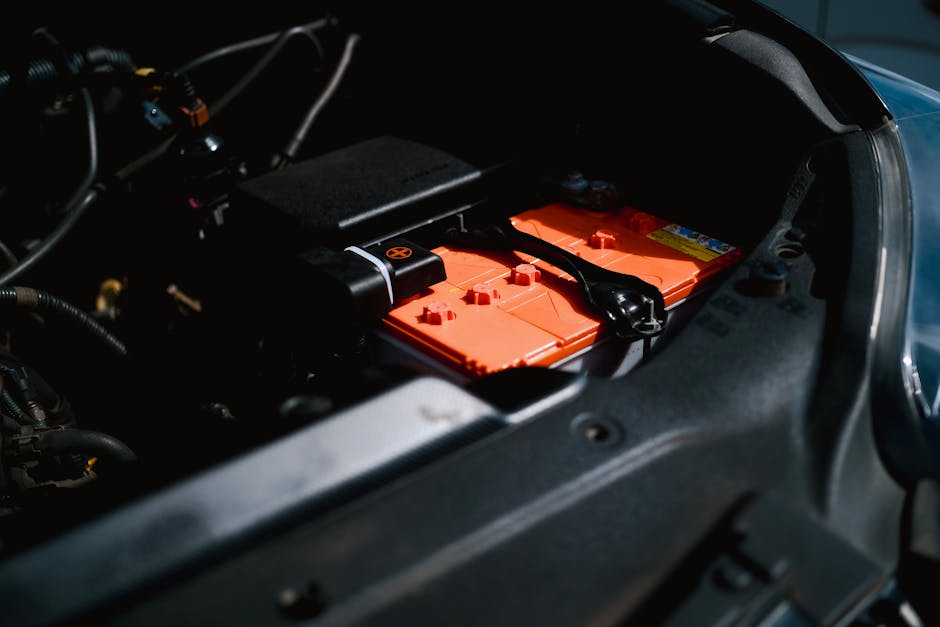
Winter is the hardest season for car batteries. Cold temperatures reduce a battery's chemical efficiency just when your car needs more electrical power. Understanding this seasonal challenge helps you stay on the road.
A car battery works through a chemical reaction that produces electrical energy. Cold slows this reaction dramatically. At freezing point, a battery loses about 50% of its power. At -18°C, it loses 65%. Meanwhile, your engine needs more current to start because cold oil is thicker and harder to turn over.
Beyond starting the engine, winter driving demands more from your battery. Headlights run longer in darker mornings and evenings. Heated seats, heated windscreen, and heating fans all draw power. If your alternator isn't charging efficiently, your battery depletes faster than it recharges.
An old or weak battery will struggle in winter. Most car batteries last three to five years. If yours is approaching four years old, consider testing it before winter arrives. A qualified technician can check your battery's health and your charging system's output.
Prevention steps: Keep your battery terminals clean and free from corrosion. A buildup of white or blue powder on terminals reduces electrical contact. Clean them gently with a wire brush and apply a thin coat of petroleum jelly to prevent future corrosion.
Park in a garage if possible. Even a few degrees warmer makes a difference to battery performance. If you don't have garage access, consider a battery blanket or heater wrap, available from motor factors.
Drive regularly, especially on longer journeys. Short trips don't give your alternator time to fully recharge the battery. A 20-minute drive on the motorway helps maintain charge better than several short local journeys.
If your car won't start, don't repeatedly crank the engine. This drains the battery further and can damage the starter motor. Call for breakdown assistance instead. Keep jump leads in your car and learn how to use them safely, or consider a portable jump starter pack for added security.
Have your battery tested before winter if it's more than three years old. A small investment in testing or replacement now prevents the frustration of being stranded in cold weather later.