Understanding Your Dashboard Warning Lights
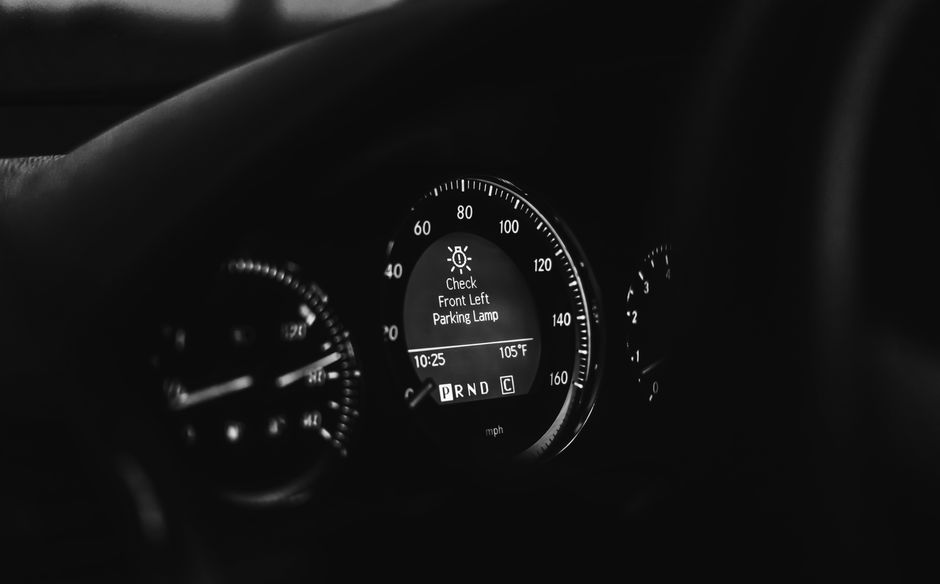
Your dashboard lights communicate important information about your car's condition. Some demand immediate attention. Others can wait until your next service. Understanding what each light means prevents panic and helps you respond appropriately.
The red warning lights are the most urgent. If your engine temperature gauge climbs into the red zone or the coolant warning light appears, pull over safely and stop the engine immediately. Continuing to drive risks serious engine damage. Let the engine cool, check your coolant level when it's safe, and call for assistance if the problem persists.
The red oil pressure warning light, showing an old-fashioned oil can, signals that your engine isn't receiving adequate oil pressure. This is an emergency. Stop immediately and turn off the engine. Check your oil level. If it's low, top it up. If it's adequate, your oil pump or pressure sensor may be failing. Don't drive the car until it's been diagnosed.
The brake warning light, usually red, indicates brake system problems. Your brakes may have failed or are about to. This is serious. Stop gently and carefully, avoiding sudden braking. Call for breakdown assistance rather than driving to a garage.
Amber warning lights usually indicate issues that need attention but aren't emergencies. The engine management light (a picture of an engine) means your engine computer has detected a fault. This could be something minor like a loose fuel cap, or something serious like a faulty oxygen sensor. You can usually drive carefully to a garage for diagnosis, but avoid hard acceleration or towing.
The ABS warning light indicates a problem with your anti-lock braking system. Your brakes still work normally, but ABS is unavailable. Drive carefully to a garage for diagnosis. Don't ignore it—ABS helps prevent skidding in emergency braking.
The battery warning light shows your charging system isn't working properly. Your alternator may be failing. Drive carefully to a garage with headlights off if possible to reduce electrical demand. If the light appeared while driving, you may lose electrical power soon.
The airbag warning light indicates a fault in your airbag system. This needs professional diagnosis but isn't an immediate emergency. Have it checked before driving extensively.
The traction control light appears when your traction control system is active or faulty. If it flashes while accelerating, your system is working normally. If it stays on, have it checked.
What to do: Never ignore warning lights. Even amber lights indicate problems that will worsen. Keep your owner's manual in your car to reference light meanings. When in doubt, contact your garage for advice. They can often diagnose problems over the phone.
Some modern cars let you access more information by pressing buttons on the dashboard. Your manual explains how to view detailed fault information. This helps your mechanic diagnose problems more quickly.