How to Check and Maintain Your Tyre Condition
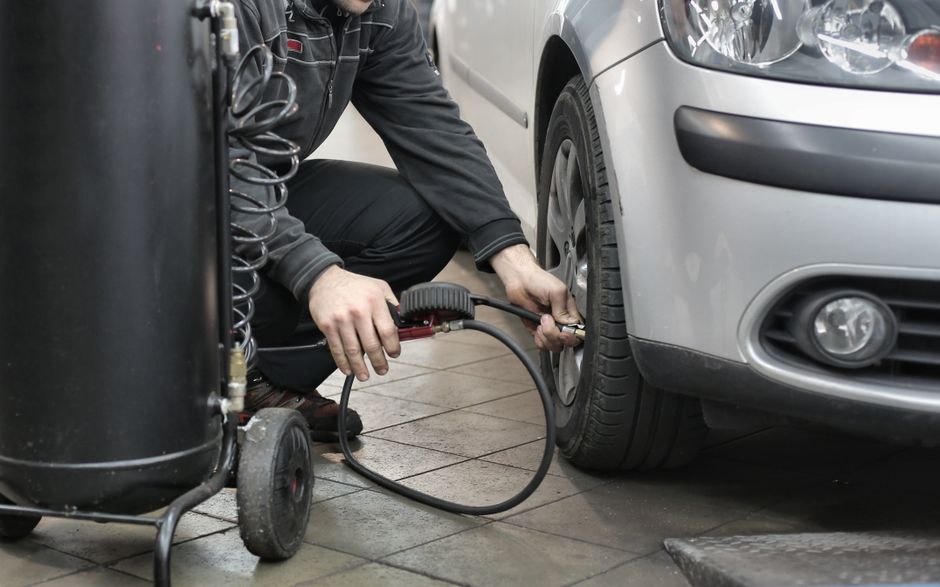
Your tyres are the only part of your car touching the road. They're critical for safety, handling, and fuel efficiency. Yet many drivers neglect them. Regular tyre checks take minutes and prevent serious problems.
Tread depth is the most important measurement. The legal minimum in the UK is 1.6mm across the central three-quarters of the tyre. However, wet grip diminishes significantly below 3mm, so many safety experts recommend replacing tyres at 3mm, especially if you drive frequently in wet weather.
Check tread depth using the penny test. Insert a 20p coin into the main tread groove. If the outer ring of the coin is visible, your tread is below the legal minimum. This simple check takes seconds and doesn't require special equipment. Alternatively, tyre shops offer free tread depth checks using proper gauges.
Tyre pressure is equally important. Under-inflated tyres increase fuel consumption, generate excessive heat, and wear faster. Over-inflated tyres wear in the centre and provide poorer grip. Your vehicle's recommended tyre pressure is printed on a label inside the driver's door jamb or in your owner's manual. Check pressure monthly when tyres are cold, before driving or at least three hours after driving.
Inspect your tyres visually for damage. Look for cuts, bulges, or punctures. Small punctures in the tread can often be repaired by a tyre specialist. Bulges in the sidewall mean the tyre must be replaced—they indicate internal damage and can fail suddenly.
Uneven wear indicates alignment or suspension problems. If the outer edges are worn more than the centre, your tyres are under-inflated or your wheel alignment is off. If the centre wears faster, they're over-inflated. Wear on one side suggests alignment issues. Have your alignment checked if you notice uneven wear.
Rotation and replacement: Rotating your tyres every 6,000-8,000 miles promotes even wear and extends their life. Front tyres wear faster on front-wheel-drive cars because they handle steering and power. Rotation distributes wear evenly.
Replace all four tyres when they reach replacement depth, not just two. Different tread depths between front and rear affect handling and safety. If you must replace just two, fit the newer ones to the rear to maintain stability.
Seasonal tyres matter in the UK. Winter tyres provide better grip in cold, wet, and snowy conditions. If you drive frequently in winter, consider switching to winter tyres from November to March. All-season tyres are a compromise but cost less than maintaining two sets.
Budget for tyre replacement every three to five years depending on driving habits. Aggressive driving, frequent motorway use, and poor inflation shorten tyre life. Gentle driving and proper maintenance extend it significantly.