Common Car Noises and What They Actually Mean
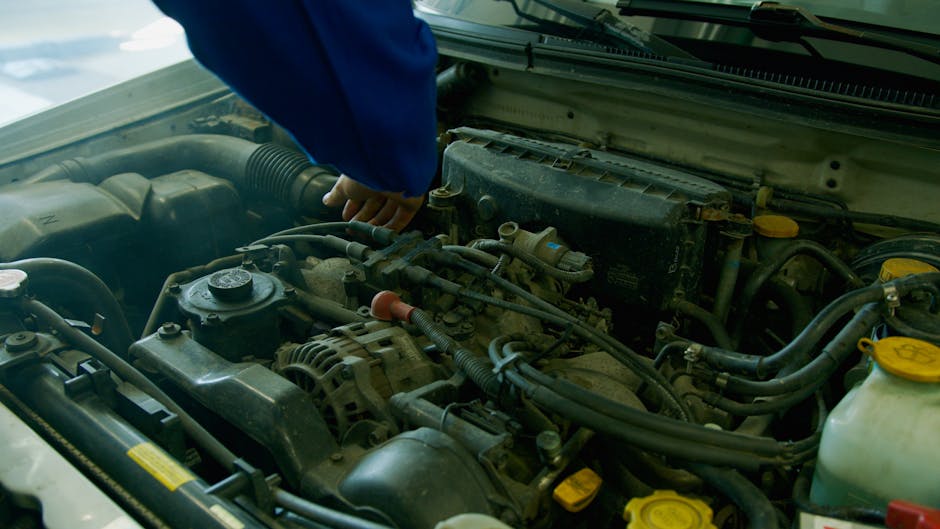
Your car talks to you through noises. Grinding, squealing, knocking, and rattling all carry messages about your vehicle's health. Learning to interpret these sounds helps you catch problems early.
A high-pitched squealing noise, especially when accelerating, usually points to a worn serpentine belt. This rubber belt drives your alternator, power steering pump, and air conditioning compressor. When it's worn, it slips on the pulleys and squeals. Replacing it is straightforward and affordable, but ignoring it can leave you stranded when it breaks completely.
Grinding noises when braking indicate worn brake pads. Your brake pads include a wear indicator that deliberately creates this noise to alert you. Don't ignore it. Continuing to brake with worn pads damages your brake discs, turning an inexpensive pad replacement into an expensive disc replacement.
A metallic knocking from the engine, especially under acceleration or when pulling a load, suggests engine knock or detonation. This happens when fuel ignites incorrectly in the combustion chamber. It can damage your engine if ignored. Try switching to higher-octane fuel. If knocking continues, have it diagnosed.
Clunking noises when going over bumps often indicate worn suspension components. Worn anti-roll bar links, ball joints, or struts create this sound. Suspension wear affects your handling and safety, so have it checked promptly.
A clicking noise while turning usually means a worn CV joint in front-wheel-drive cars. The joint flexes at different angles when turning, and wear creates a clicking sound. CV joints need replacement before they fail completely.
Rattling underneath the car might be a loose heat shield, a common and harmless issue. However, it could also indicate a problem with your exhaust system. Listen carefully to determine if the rattle is constant or only at certain speeds.
Squeaking from the suspension, especially over bumps, suggests worn rubber bushes or dry suspension joints. These aren't emergencies but should be addressed during regular maintenance.
A roaring noise that increases with speed might indicate bearing wear in your wheels or differential. This requires professional diagnosis.
What to do: Note when the noise occurs—during acceleration, braking, turning, or over bumps. This detail helps your mechanic diagnose the problem quickly. Don't ignore persistent noises. Early diagnosis prevents small issues becoming expensive repairs.